Baby Bottle Sterilising Guide: Cold Water vs UV vs Steam vs Microwave (Real-Mum Comparison)
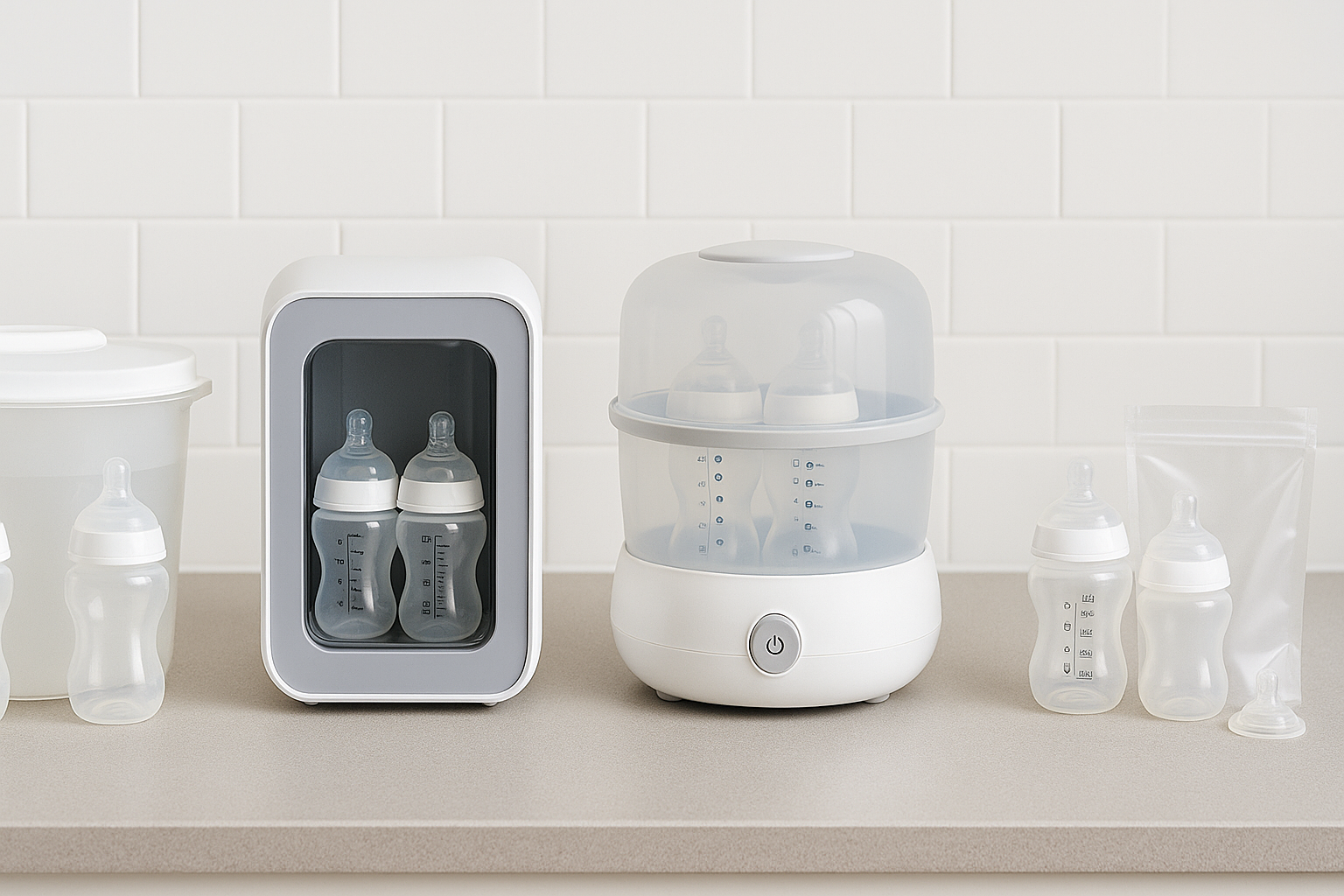
Sterilising baby bottles can feel like a whole job in itself, especially in those early newborn weeks. With cold-water sterilisers, UV sterilisers, steam sterilisers, and microwave sterilising options, how do you choose?
Here’s a friendly, honest guide with real-life experiences, capacity tips, and what actually works day to day.
Cold-Water Sterilising (Chemical Sterilisation)
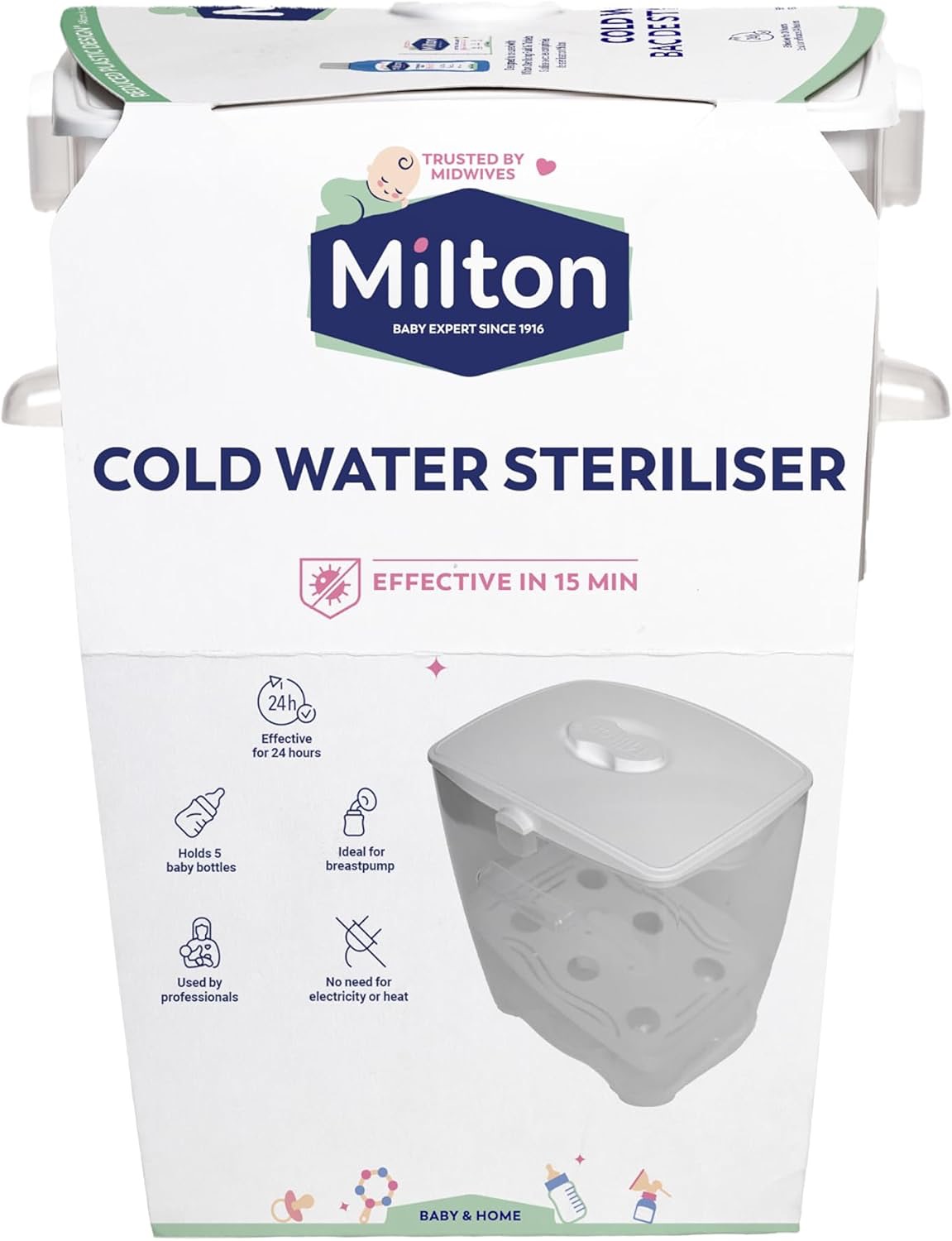
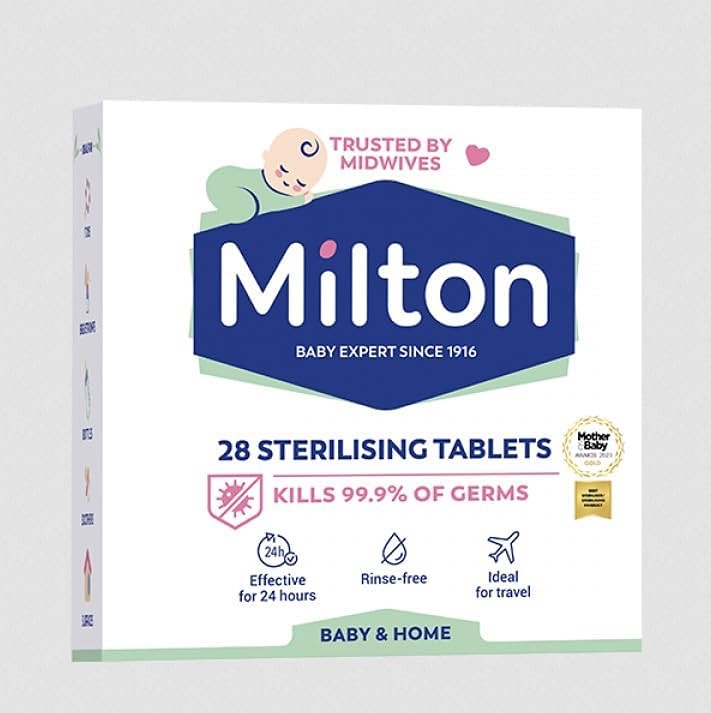
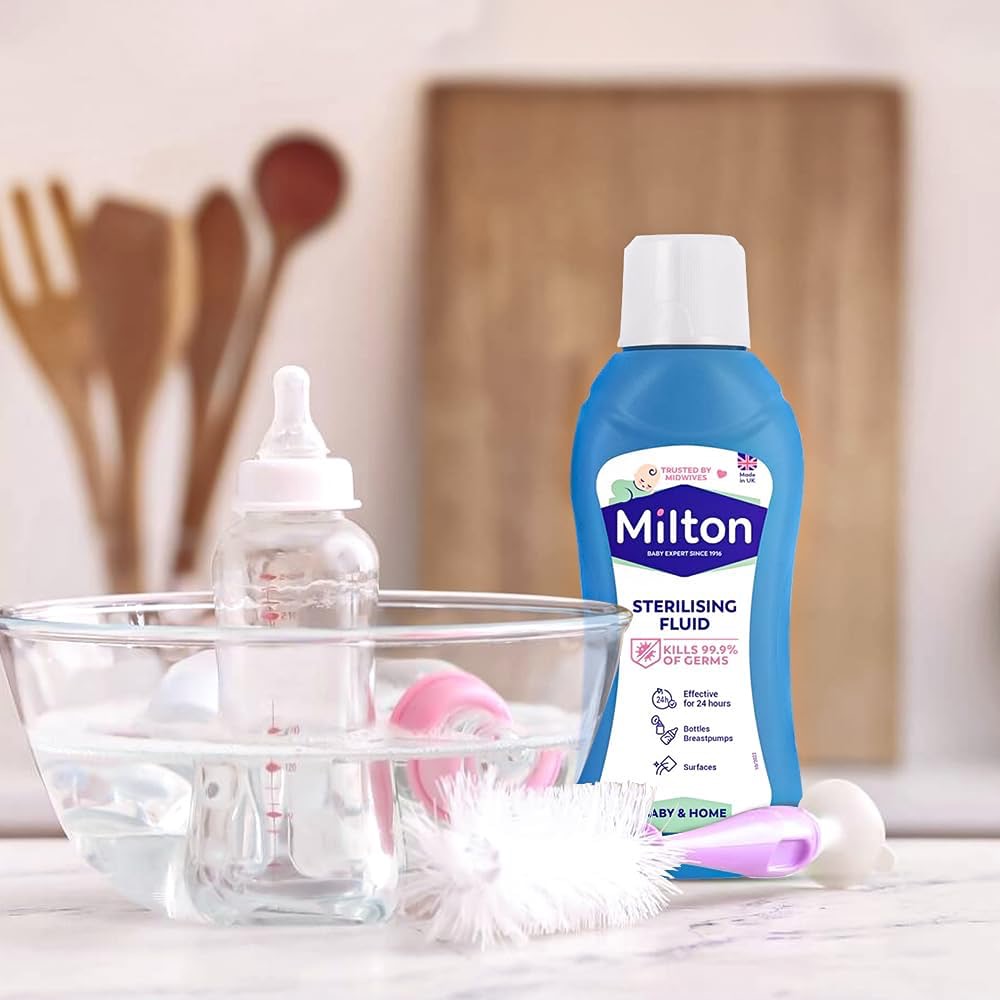
Cold-water sterilising is the classic option. You mix a tablet or solution with water, chuck everything in, and leave it for about 15–30 minutes.
NHS Guidance
The NHS currently recommends rinsing bottles with cooled boiled water after cold-water sterilising, which isn’t ideal for night feeds.
The chlorine smell really put me off. It’s safe as per guidance, but I felt my baby wasn’t as happy drinking from bottles sterilised this way. The smell plus the extra rinsing step made it inconvenient for us.
So I decided that I won’t be offering this option at the shop.
Pros
No electricity required
Low-cost
Ideal for bulk loads
You can sterilise other items like plastic toys
Cons
Rinsing required
Distinct chlorine smell
Slower than steam or microwave methods
UV Sterilisers (Chemical-Free Sterilising)
UV sterilisers use UV-C light to kill germs. No heat, no water, no chemicals—super simple.
UV sterilising is extremely gentle—there’s no heat, no steam, and no chemical smell. It helps preserve the quality of bottles, teats, and delicate breast-pump parts.
We didn’t get a UV steriliser at the start because we’d already bought our steam one. But honestly, if I were choosing again, I’d probably go UV now. Chemical-free, gentle, and loads of parents say their bottles stay looking new for longer.
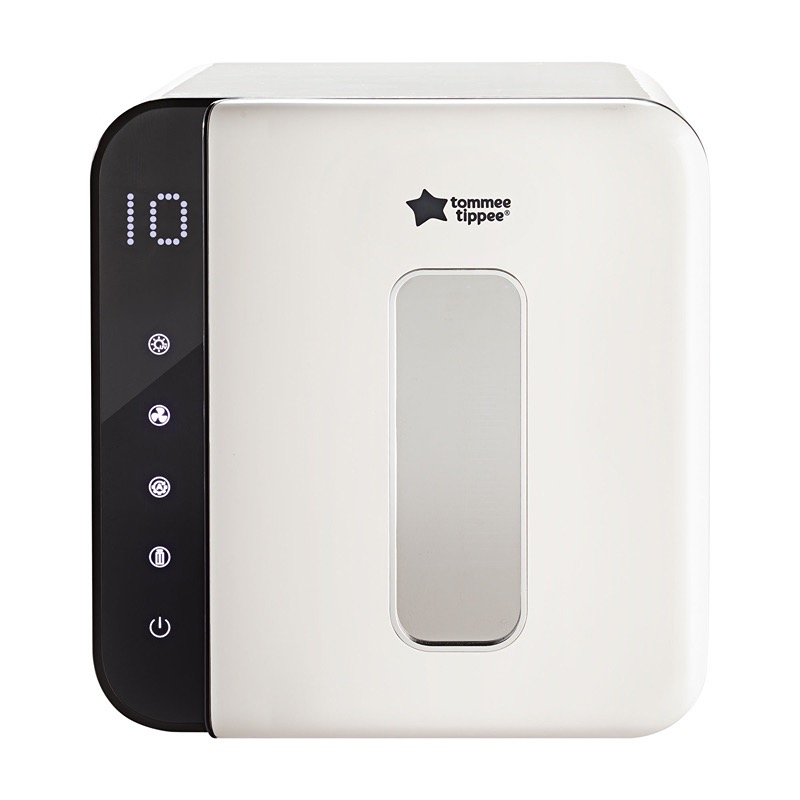
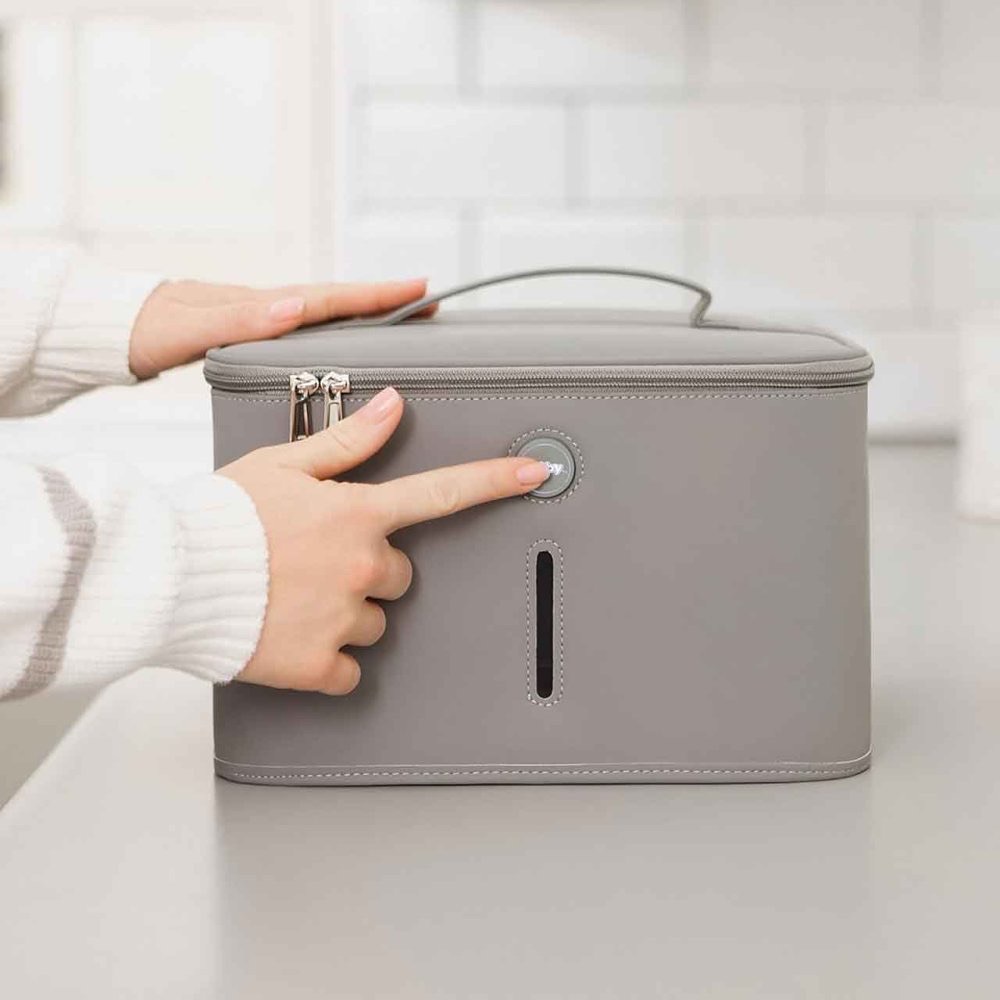
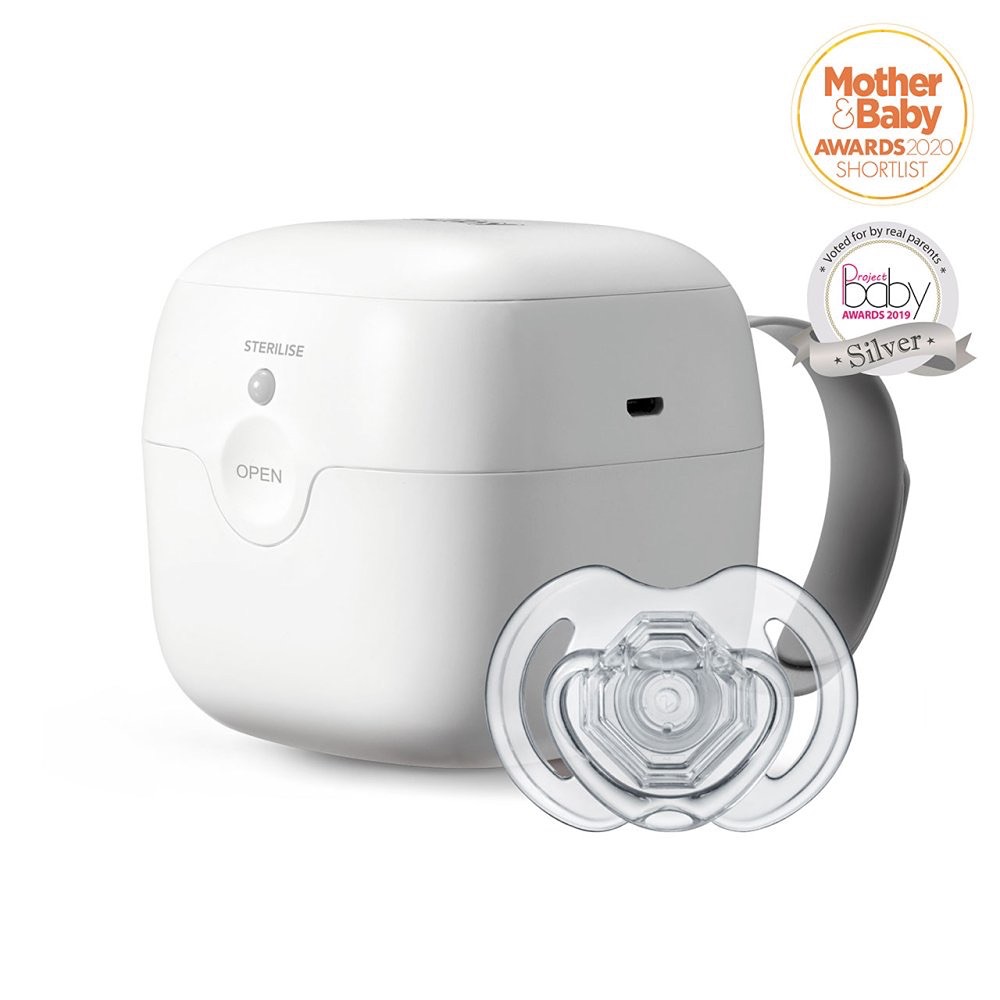
It’s worth mentioning that the Tommee Tippee Ultra UV is really designed for home use only. It’s brilliant, but definitely not something you take out with you.
If you want UV sterilising on the go, there are portable UV options that are much smaller — like the Nuby benchtop UV steriliser or the Nuby UV dummy steriliser.These are lightweight, don’t need water, and are perfect for prams, changing bags or travel.
Steam Sterilisers
Steam sterilisers are probably the most common in UK homes. They use hot steam to kill bacteria quickly.
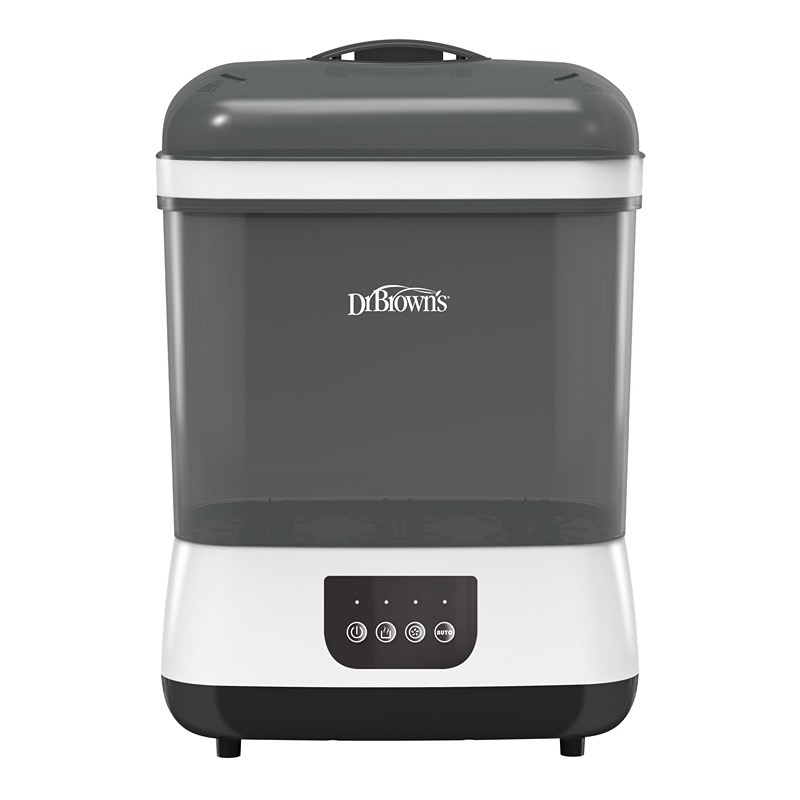
Friend’s note about Dr Brown’s
A friend of mine using the Dr Brown’s Steriliser and Dryer said it can be a bit fussy with pump parts. The shapes or sizes didn’t fit comfortably, so worth keeping in mind if you mix brands. Otherwise they are very happy with it.
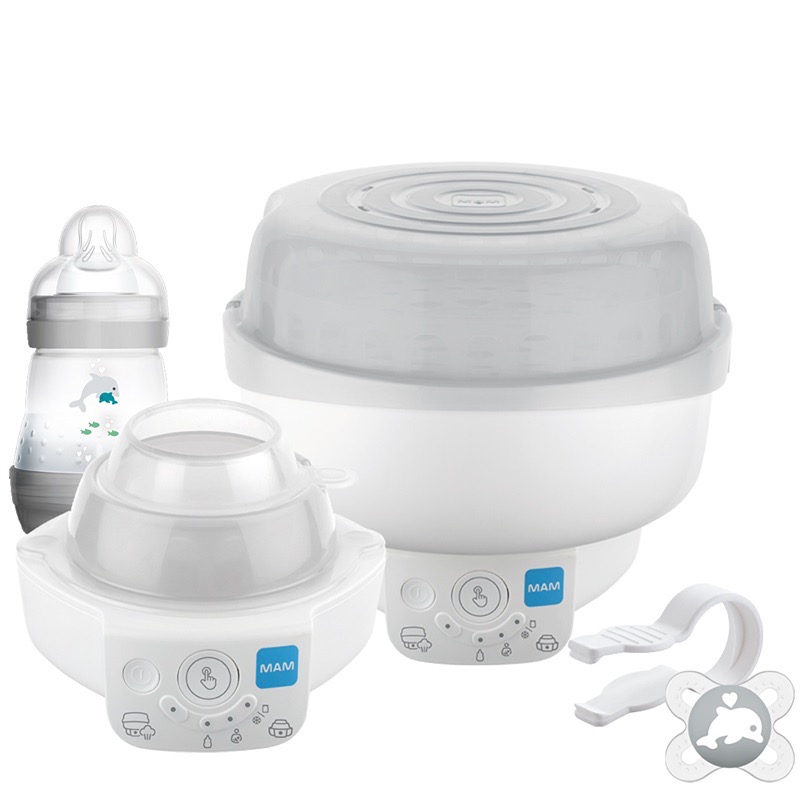
My experience with MAM Steam Steriliser
We use the MAM steam steriliser on a daily basis and we’re really happy with it. It’s simple and does the job. It is bulky and takes up space, but the two-tier design is great—it can fit six smaller bottles (120-150ml) easily, plus dummies. And if something doesn’t fit, I just remove the top tier. My pump parts fit perfectly that way, so I could sterilise everything together.
Pros
Fast (5–10 minutes)
No chemicals
Great for everyday use
Cons
Needs electricity
Can be bulky
Needs descaling
Microwave Sterilising
Microwave sterilising can be one of the quickest and easiest ways to get bottles ready. It uses steam just like an electric steam steriliser, but without the bulky appliance taking up counter space. It’s fast, simple, budget-friendly, and especially good if you don’t have loads of bottles to sterilise at once. It’s also a lifesaver for travel or visiting friends and family because the equipment is so small and lightweight.
Microwave Steriliser Boxes
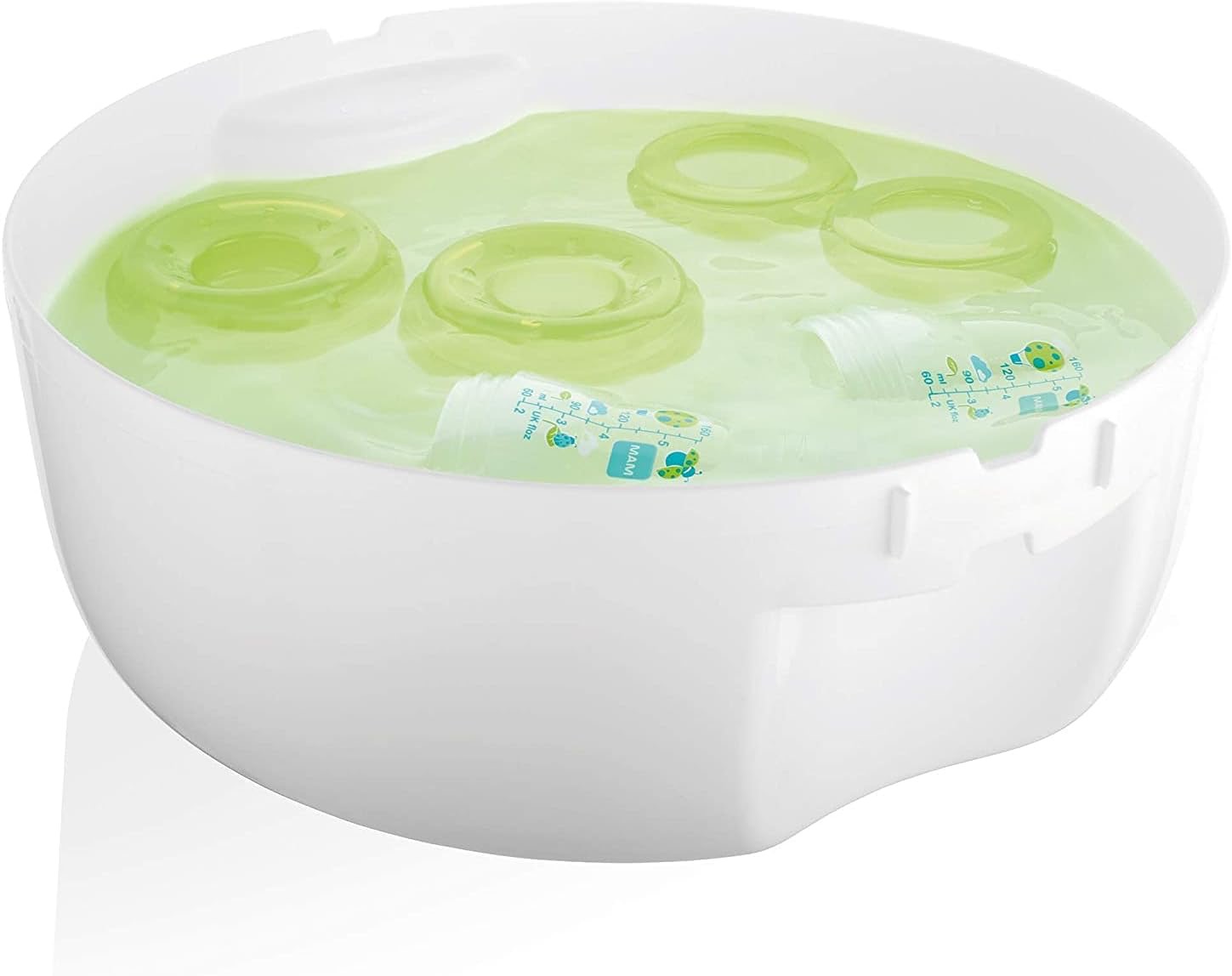
Microwave steriliser boxes (sometimes called microwave steam sterilisers) are compact containers designed to hold baby bottles, teats, lids, and other feeding accessories. Instead of using a large electric machine or chemicals, you simply add a small amount of water, arrange the equipment inside, put the lid on, and heat everything in your home microwave. The water turns to steam, which sanitises the items quickly.
Microwave Sterilising Bags
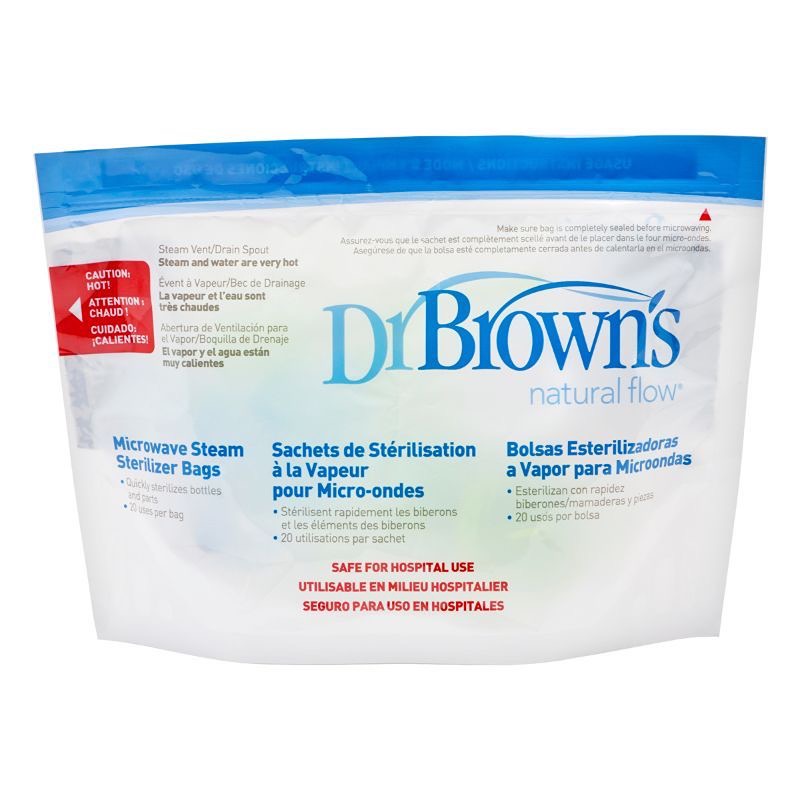
Microwave sterilising bags (also often called “microwave steam bags”) are a very compact, travel-friendly way to sterilise baby bottles, teats, pump parts, and feeding accessories. Instead of a bulky steriliser unit, they use steam generated in the microwave to kill germs and bacteria.
Each bag is reusable up to 20 times
We always keep a few spare microwave sterilising bags at home and in the nappy bag because they’re honestly such a lifesaver when you’re out and about. If you’re visiting friends or family, you can just use their microwave to quickly sterilise bottles, pump parts, dummies — whatever you need. It makes travelling with a baby so much easier, and you don’t have to bring a full steriliser with you.
Self-Sterilising Bottles (Super Convenient Option)
Self-sterilising bottles are honestly one of the most underrated baby essentials. These bottles are designed so you can sterilise them directly in the microwave without needing a separate steriliser, microwave box, or bags.
You simply:
Add a tiny bit of water (usually around 20–30 ml)
Stack the bottle parts together in “self-sterilising mode”
Microwave for the recommended amount of time
Why They’re So Handy
This method is incredibly quick and barely takes up any space. It’s perfect for:
Night feeds
Travel
Small kitchens
Parents who don’t use many bottles daily
Emergency situations when everything else is already used or dirty
More Brands Are Offering This Now
A lot of the well-known baby bottle brands now offer self-sterilising bottles, which is amazing. It used to be mostly MAM, but now you’ll see more and more brands including this feature. Just check the instructions because each brand may have slightly different timings or water amounts.
How It Simplifies Life
Honestly, having bottles that sterilise themselves makes life so much easier. There’s no bulky equipment, no extra bags to carry, and no waiting around for big steriliser loads. You can sterilise one bottle at a time whenever you need it — it’s perfect for mums who want a simple, low-hassle routine.
But remember to let bottle and parts to cool down first. I used a fridge, if I needed bottle like right now.
Which Method Is Best?
It completely depends on your routine.
Most gentle: UV
Fastest: Microwave or steam
Best for travel: UV mini devices or microwave bags
Best for big loads: Cold-water or large steam units
Most convenient for mixed items: UV or steam
Comments